
About Monochrome
A Separate Art Within Photography?

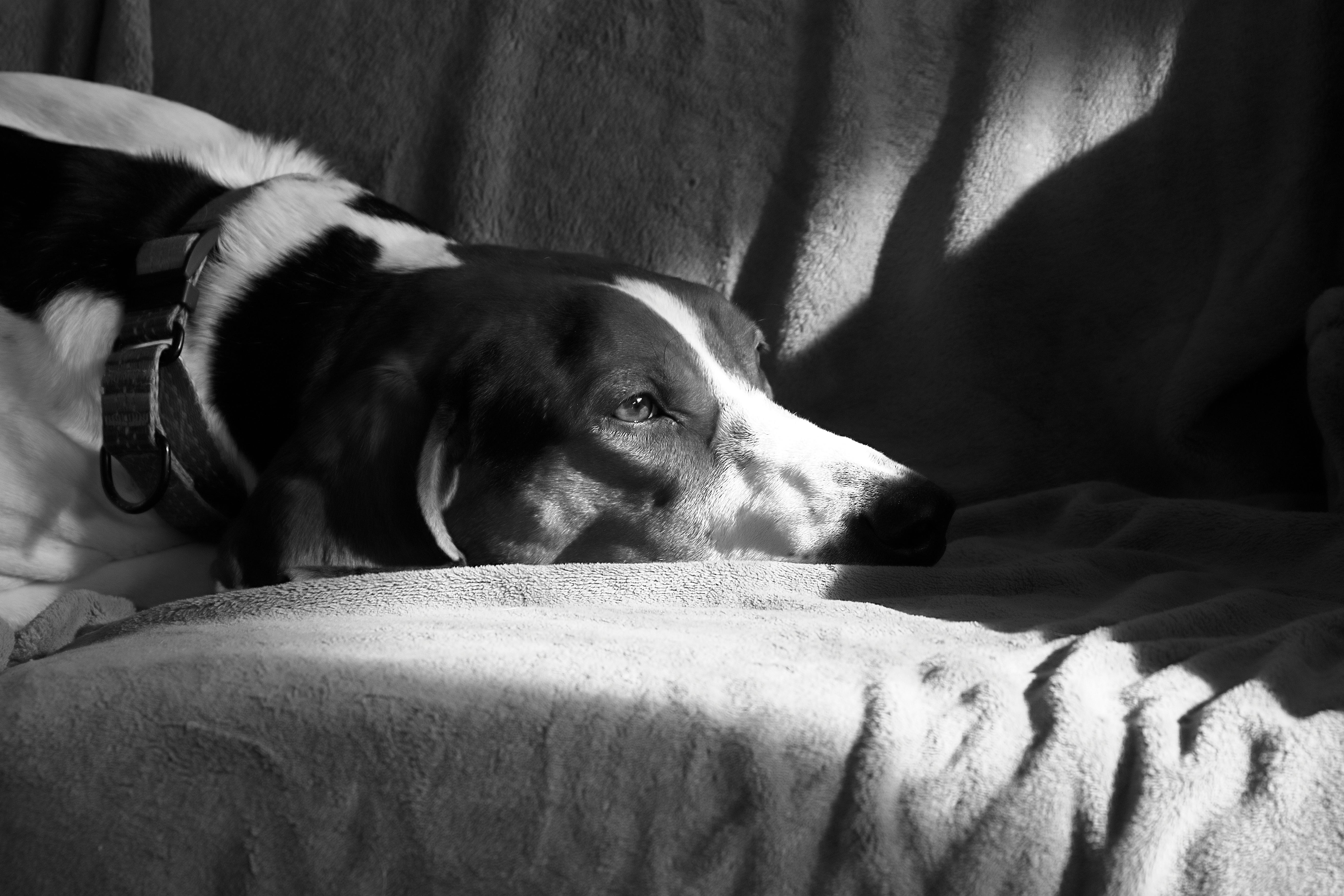
I began photography in my early youth, using film in a wet darkroom, mostly B&W. So my transition was from that to colour (Cibachrome and some reversal films), and finally to digital, beginning with an Apple QuickTake 100. So digital came into my world as it matured. The first ‘serious’ digital camera I used was a Canon 3D, their first. So - full disclosure - be aware that early adoption is my path and clinging to the past is not. Many long for the tactile experience and creative space of a darkroom and more power to them.
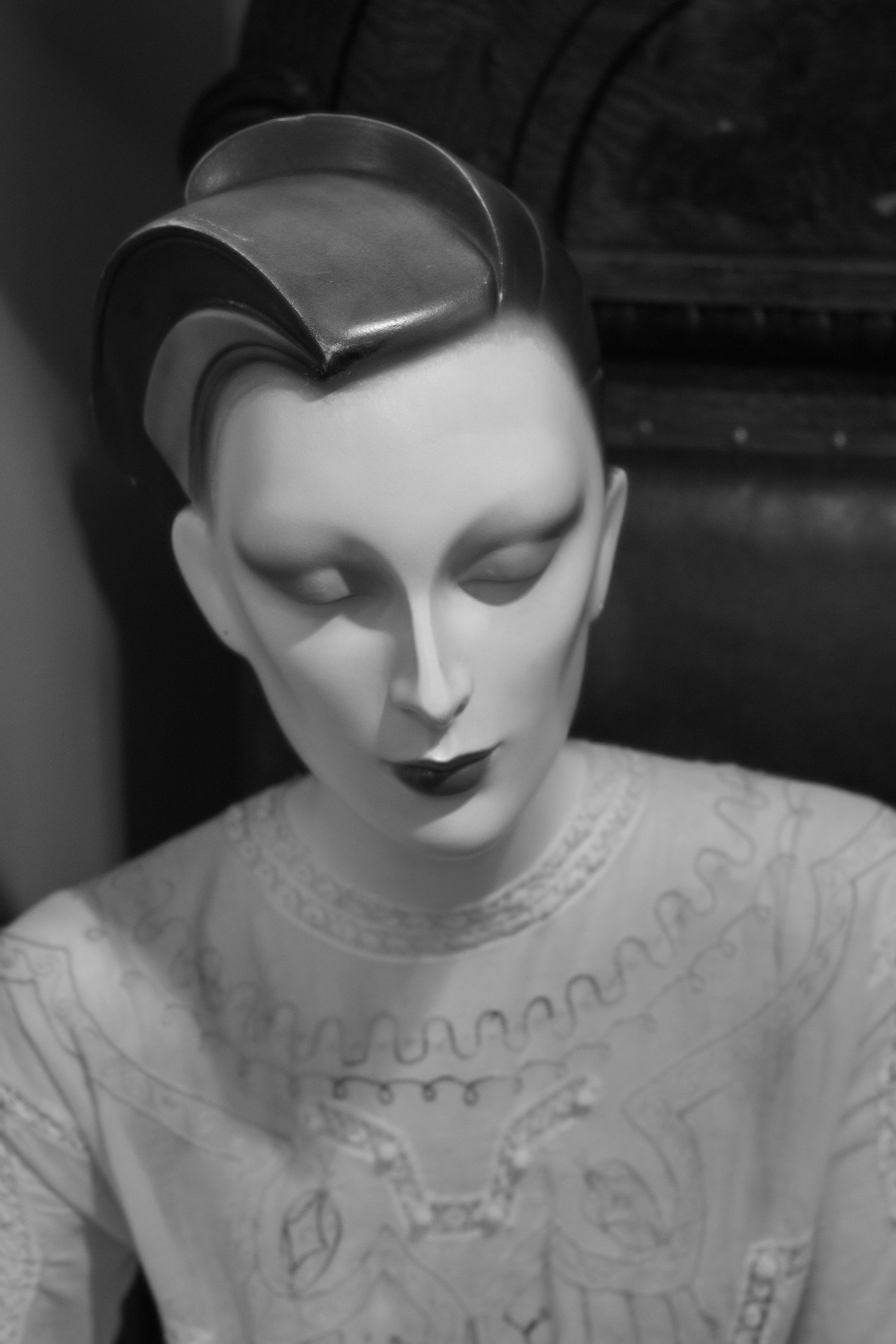
Monochrome as Expressive Art
Colour aims to capture the world realistically and present it in a way that guides the eye, reflects various forms of composition, and tells stories.
Monochrome can still tell stories, but it is *interpretive* of reality. The absence of colour forces attention to **light, shadow, form, and texture** as a fundamental grammar of photography. Monochrome sensors preserve micro-contrast much better, and this is the single most important difference for my goals.
Monochrome tends towards the timeless, the austere, the contemplative; it has a different emotional register.
Monochrome rewards strong geometry and tonal separation, whereas colour images can get away with less formal attention to these.
Pre-visualization becomes essential — you must learn to *see in tones*, not colours
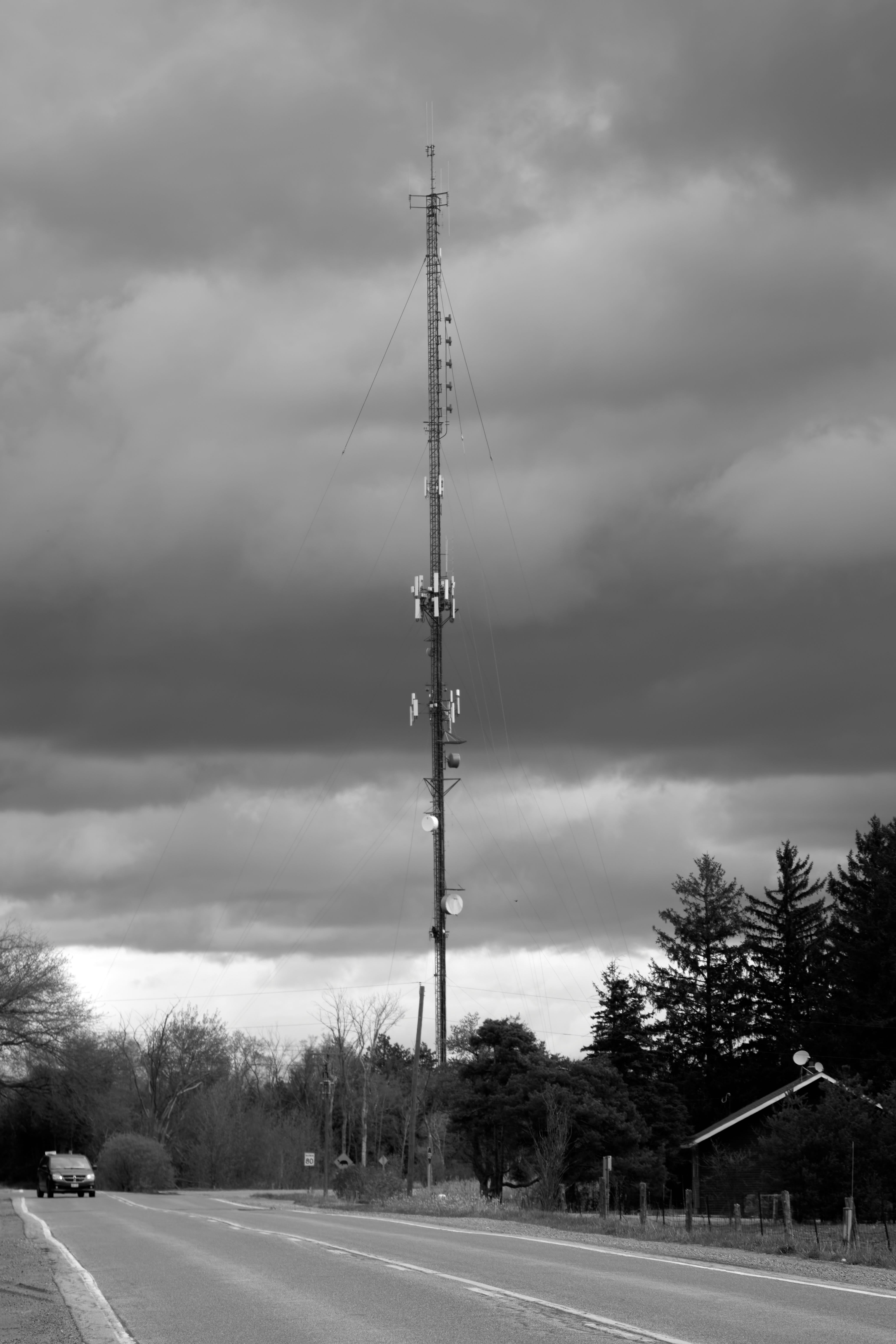
Digital to Film-like interpretation.
Film photographers learned to ensure an image’s shoulder and toe produced a graceful, nonlinear rolloff at the extremes — highlights compressed gently, shadows opened slightly.
Digital photographers replicate this, but it requires *intentional* shaping because the linear RAW response is not film-like. Today we sculpt a tone curve that honours the texture in the highlights (e.g., white fabric, clouds, pale skin) rather than clipping or flattening it. The skills transfer even if the process differs.
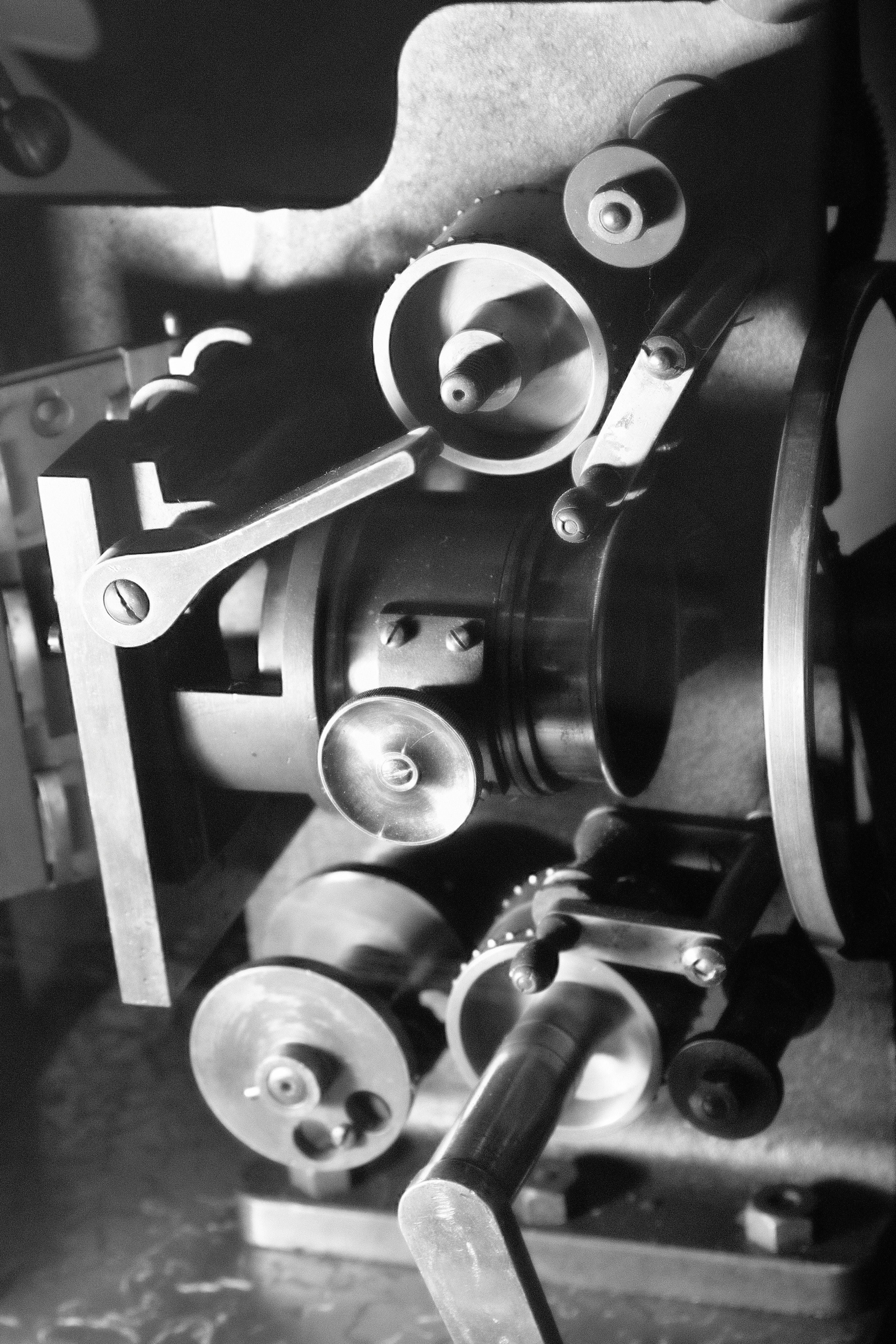
Monochrome Sensors vs. RGGB Channel Mixing.
I’ve been saying ‘monochrome’ because that is what you have been seeing, not colour images mixed down into B&W. This is important to me.
Channel-mixing workflow on a colour sensor:
Photo software mixes the contributions of colours to render the tones of a B&W image. This is the digital equivalent of coloured filters on a film camera (a red filter for dramatic skies, a green filter for foliage separation, etc.).
This is advantageous because it gives us post hoc filter control, which film or digital monochrome photographers do not have.
BUT - there is a trade-off: Low-Pass filtering and Bayer matrix decoding.
All sensors are monochrome. To capture colour they use layers of filtration in front of the sensor.
In a monochrome camera, every photosite captures the full photon count across the luminance range; no energy is “wasted” to create pixels limited to individual colours, and no subsequent Bayer algorithm mixes pixels together. Also, without an anti-aliasing filter there is no spreading of light across pixels. The monochrome sensor resolves *and* differentiates tonal micro-variations that a colour sensor with demosaicing and anti-aliasing simply smooths out.
This results in finer tonal steps between adjacent photosites, which is exactly what reveals subtle surface textures, such as the slight lift of a fibre, the microscopic pit in stone, and the pore structure of skin.